
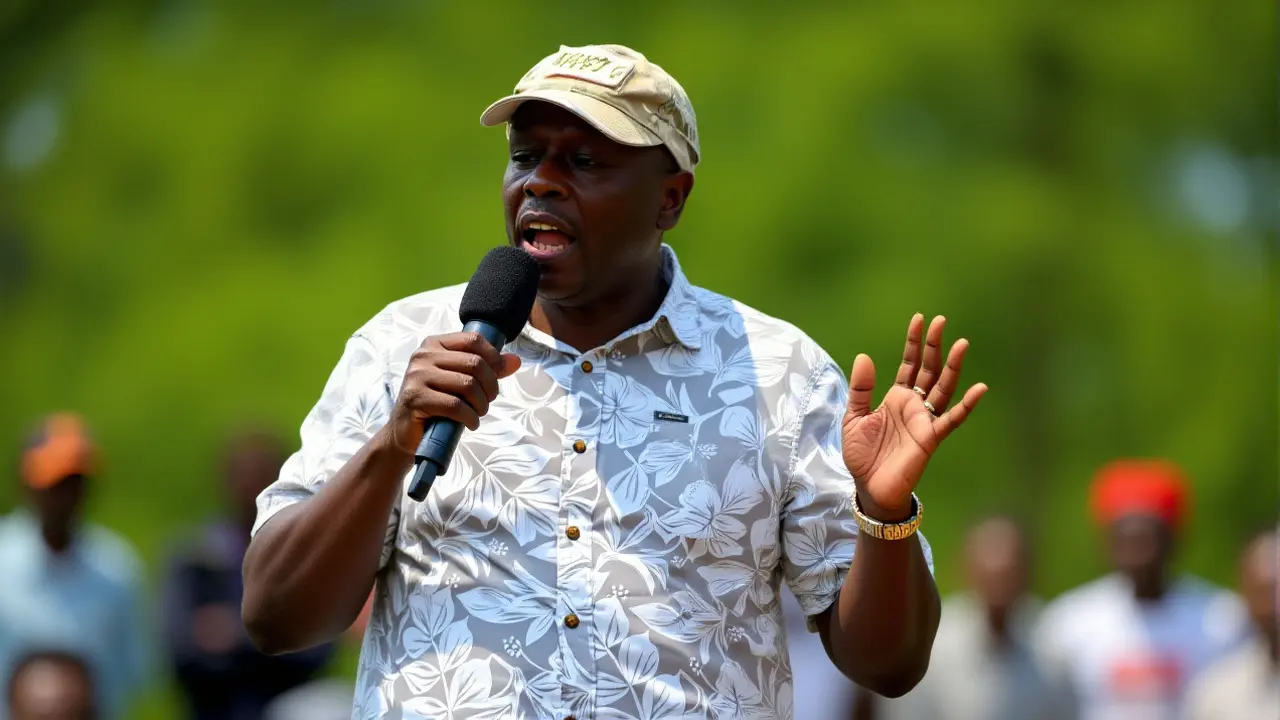
When Rigathi Gachagua, leader of the Democratic Party (DCP), publicly declared he could never forgive Deputy President Kithure Kindiki, the political temperature in Kenya spiked. The explosion wasn't just about a bruised ego; it was a calculated strike at the heart of the ruling coalition. On April 19, 2026, Gachagua laid out his grievances, accusing Kindiki of overseeing abductions and sabotaging key government campaigns. It’s a bitter pill for a nation watching its top leaders tear each other apart.
The twist? Kindiki tried to smooth things over. Reports indicate the Deputy President sent an intermediary—a "friend"—to beg for forgiveness, arguing his team had been too harsh. Gachagua’s response was icy: "We can't, go home with Ruto!" This isn't just personal drama; it signals a deep fracture in the Mount Kenya political bloc that has long propped up the presidency.
The Accusations: From Abductions to Illicit Brews
Gachagua didn’t mince words when explaining his refusal to reconcile. According to reports from The Eastleigh Voice, the former deputy president accused Kindiki of directly overseeing and executing unspecified abductions and killings. While the specific victims weren't named in the initial headlines, the gravity of the charge cannot be overstated. In Kenyan politics, such allegations are nuclear—they destroy credibility instantly.
But there’s more. A TikTok video circulating on April 19 added another layer to the conflict. Gachagua alleged that Kindiki had actively sabotaged the "war on illicit brews," a major campaign aimed at curbing illegal alcohol production and boosting tax revenue. This accusation hits close to home for many citizens who have seen little improvement in local safety or economic conditions despite government promises. It paints Kindiki not just as a political rival, but as an obstacle to public welfare.
The Failed Olive Branch
Here’s where the story gets messy. By late April, multiple sources, including Facebook posts from "Breaking Kenya News," confirmed that Kindiki attempted damage control. He allegedly dispatched a mutual acquaintance to plead his case. The message was simple: apologize for past harshness and move forward.
Gachagua shut it down immediately. In a viral YouTube clip dated April 26, he quoted himself saying, "Kindiki sent a friend to talk to me... We can't, go home with Ruto!" The use of "we" suggests this isn't just Gachagua’s stance—it may represent a broader opposition sentiment. By directing Kindiki back to President William Ruto, Gachagua is effectively branding Kindiki as Ruto’s puppet, stripping him of independent political agency.
A History of Hostility
This feud didn’t start yesterday. The roots go back to October 2024, when BBC News reported that Parliament had approved Kindiki’s appointment as Deputy President. However, a court stayed the swearing-in process following legal challenges led by Gachagua and others. That delay was significant—it allowed Gachagua to position himself as a defender of constitutional integrity against what he framed as executive overreach.
Fast forward to June 2026, and the tension had boiled over again. In a scathing rebuttal published by Citizen Digital, Kindiki told Gachagua to "Stay in your lane," dismissing his intellectual capacity and grasp of the Constitution. It was a classic counter-punch: if you attack my character, I’ll attack your competence. But analysts warn this strategy might be backfiring.
The Mount Kenya Dilemma
Why does this matter beyond the headlines? Because the Mount Kenya region is the political kingmaker in Kenya. An analyst cited by Nation Africa in June noted that Prof. Kindiki "cannot rely solely on the advantages of incumbency." He must actively build support, and alienating a heavyweight like Gachagua is a costly mistake. The so-called "Gachagua verdict"—likely referring to judicial outcomes favoring Gachagua’s legal teams—has complicated Kindiki’s path, forcing him into a defensive posture.
Meanwhile, Gachagua is positioning himself as the head of the "United Opposition," leading charges against Ruto after a court reportedly upheld impeachment proceedings against the President. If true, this elevates Gachagua from disgraced former official to potential standard-bearer for change. The stakes couldn’t be higher as the country eyes the 2027 elections.
Key Facts at a Glance
- Date of Public Break: April 19, 2026
- Main Accusation: Oversight of abductions/killings and sabotage of illicit brew crackdowns
- Reconciliation Attempt: Kindiki sent an intermediary; Gachagua refused
- Political Context: Tied to 2027 election preparations and ongoing impeachment efforts against Ruto
- Historical Precedent: Gachagua challenged Kindiki’s DP appointment in court in 2024
Frequently Asked Questions
Why did Rigathi Gachagua refuse to forgive Kithure Kindiki?
Gachagua cited serious accusations, including claims that Kindiki oversaw abductions and killings, and allegedly sabotaged the government's war on illicit brews. He viewed these actions as unforgivable betrayals of public trust and political alliance.
Did Kithure Kindiki try to apologize to Gachagua?
Yes. Multiple reports from late April 2026 confirm that Kindiki sent a "friend" as an intermediary to ask for forgiveness, claiming his team had been too harsh. Gachagua publicly rejected this attempt, telling the intermediary to "go home with Ruto."
What is the significance of the "Mount Kenya dilemma" for Kindiki?
Analysts argue that Kindiki cannot win re-election or maintain power solely through incumbency. Losing support from key figures like Gachagua in the influential Mount Kenya region weakens his political base and complicates his ability to mobilize voters ahead of the 2027 elections.
How does this conflict affect the 2027 Kenyan elections?
The rift signals a potential realignment of political forces. With Gachagua leading opposition voices against President Ruto, the 2027 polls may see a unified front challenging the current administration, making the relationship between Gachagua and Kindiki a critical factor in the outcome.
What happened during the 2024 legal challenge regarding Kindiki's appointment?
In October 2024, courts halted Kindiki's swearing-in as Deputy President following legal challenges initiated by Gachagua and others. Although Parliament had approved the appointment, the judicial intervention delayed his entry into office, setting the stage for their ongoing rivalry.