
When we talk about death, the irreversible end of life that triggers societal, political, and emotional shifts. Also known as mortality, it’s not just a biological event—it’s a catalyst that rewires institutions, fuels movements, and redefines legacies. You don’t need to be famous to die. But when someone powerful, controversial, or beloved passes, the world doesn’t just notice—it reacts. And that reaction? That’s where the real story begins.
Take Prince Andrew, a royal figure whose public standing collapsed after ties to Jeffrey Epstein came under renewed scrutiny. His fall wasn’t just about scandal—it was about how death, even symbolic death, strips away privilege. King Charles III didn’t just remove his titles—he erased a chapter of the monarchy’s past. That move? It was a quiet funeral for reputation. Meanwhile, Charlie Kirk, a polarizing political commentator whose influence outlived his life. His death sparked a legislative battle in Wisconsin, showing how even after someone’s gone, their ideas keep fighting. Death doesn’t silence voices—it amplifies them in unexpected ways.
And then there’s William Ruto, a president facing deadly youth protests that left 16 dead and a nation in crisis. In Kenya, death became a political currency. Young people didn’t just die—they became symbols. Their deaths didn’t end the protests; they made them impossible to ignore. Even Elizabeth Taylor, a Hollywood icon whose memory still moves pop culture decades later. Her passing didn’t fade into history—it sparked a tribute song from Taylor Swift, proving that some deaths don’t just leave gaps—they create new connections across generations.
Death isn’t always loud. Sometimes it’s a penalty miss that ends a team’s title hopes. Sometimes it’s a 0-0 draw that kills a nation’s World Cup dreams. Sometimes it’s a calf strain that sidelines a star. But in every case, it’s a turning point. The news doesn’t cover death because it’s sad—it covers it because it changes everything. Below, you’ll find stories where death didn’t just end lives—it ended eras, shifted power, and forced the world to pay attention.
Posted by
Siseko Tapile
12 Comments
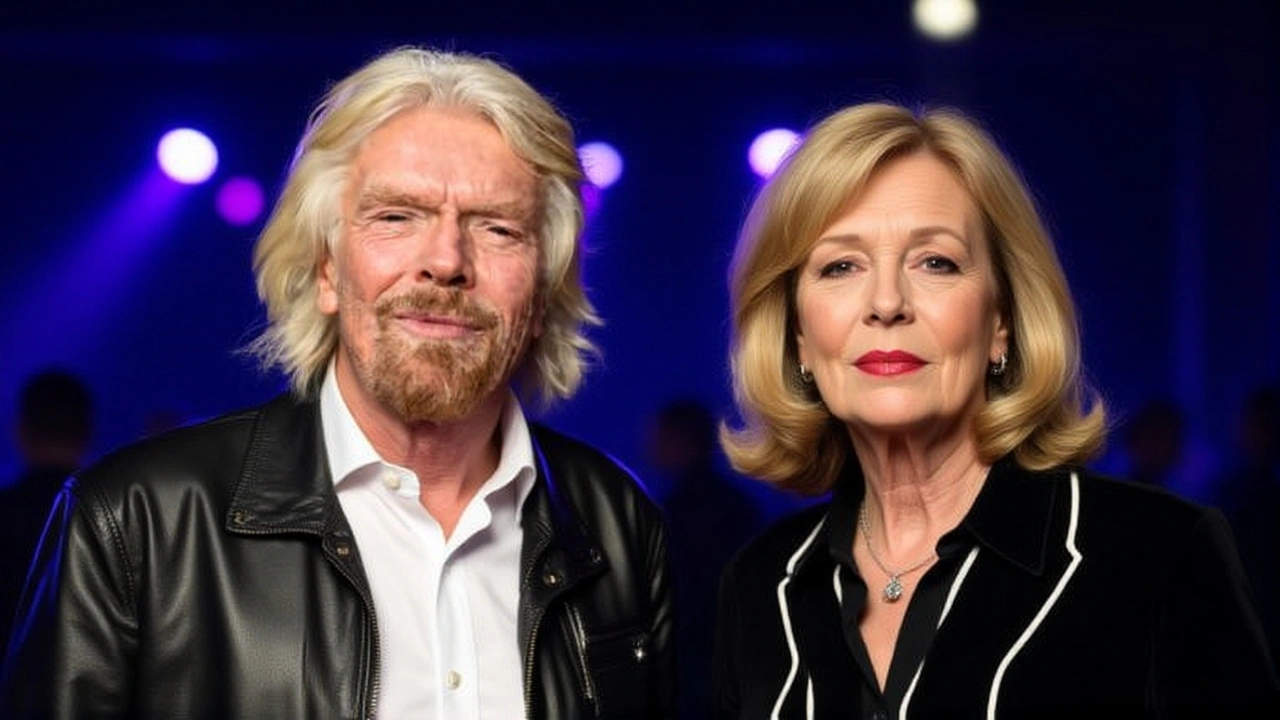
Richard Branson mourns his wife Joan Templeman, his partner of 50 years, who died at 80 after a quiet life of support behind his global empire. No cause of death disclosed as family honors her privacy.
read more