
When you think of Virgin Group, a global conglomerate founded by Richard Branson that spans airlines, music, space travel, and more. Also known as Virgin Enterprises, it’s not just a company—it’s a rebellion dressed in branding. This isn’t some faceless corporation hiding behind boardrooms. Virgin Group started with a single record shop in London and grew into a brand that dared to challenge giants—from British Airways to SpaceX. Richard Branson didn’t wait for permission. He saw gaps, took risks, and built companies people actually liked.
What makes Virgin Group different? It’s not just the red logo. It’s the culture. Virgin Records, the music label that launched the Sex Pistols and later signed the Rolling Stones didn’t follow industry rules—it rewrote them. Virgin Atlantic, the airline that introduced onboard bars and free champagne in economy turned flying from a chore into an experience. Even Virgin Galactic, the space tourism venture aiming to send civilians to the edge of space isn’t just about rockets—it’s about making the impossible feel personal. These aren’t random bets. They’re all connected by one thing: Branson’s belief that business should be fun, fair, and slightly crazy.
People talk about startups. Virgin Group didn’t start one—it started a movement. It proved you don’t need to be the biggest to win. You just need to be different. You don’t need to be the most polished. You need to be human. That’s why Virgin still matters today. Whether it’s challenging airline monopolies, pushing space travel into the mainstream, or backing bold new ideas, Virgin Group keeps showing up where others won’t. Below, you’ll find stories that reveal how this empire shaped everything from pop culture to global travel—and how its legacy keeps growing.
Posted by
Siseko Tapile
12 Comments
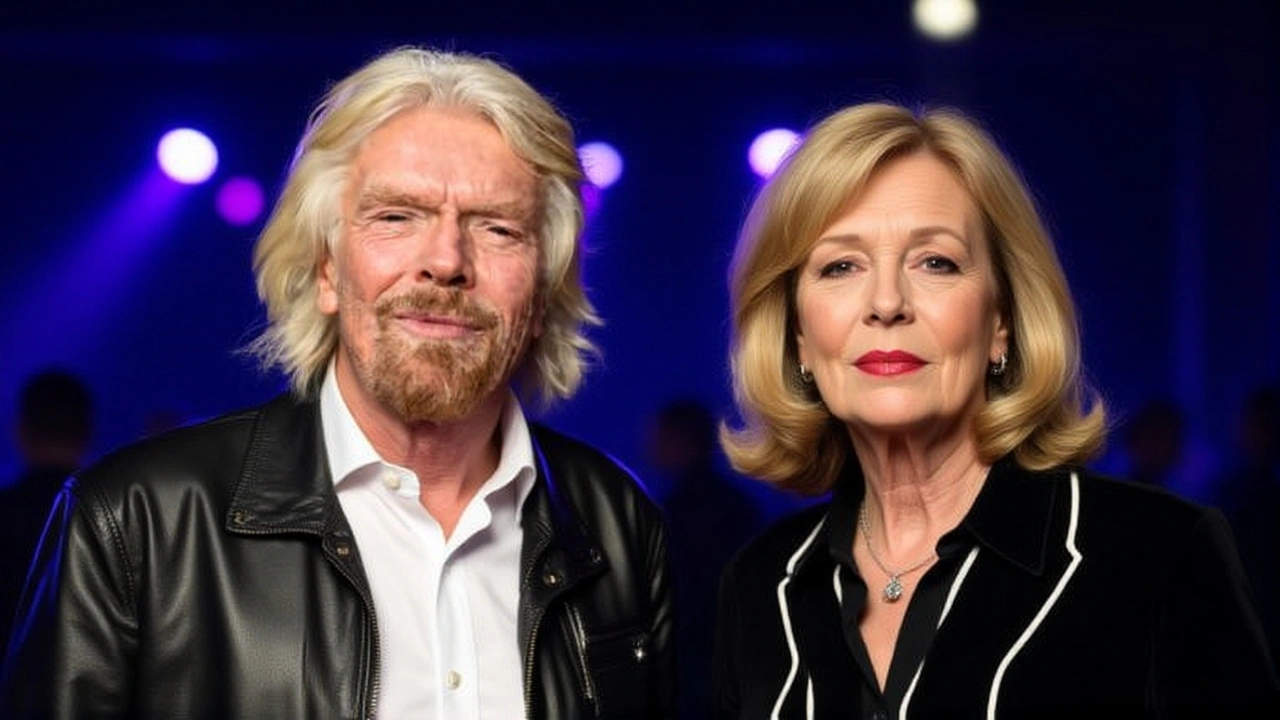
Richard Branson mourns his wife Joan Templeman, his partner of 50 years, who died at 80 after a quiet life of support behind his global empire. No cause of death disclosed as family honors her privacy.
read more