
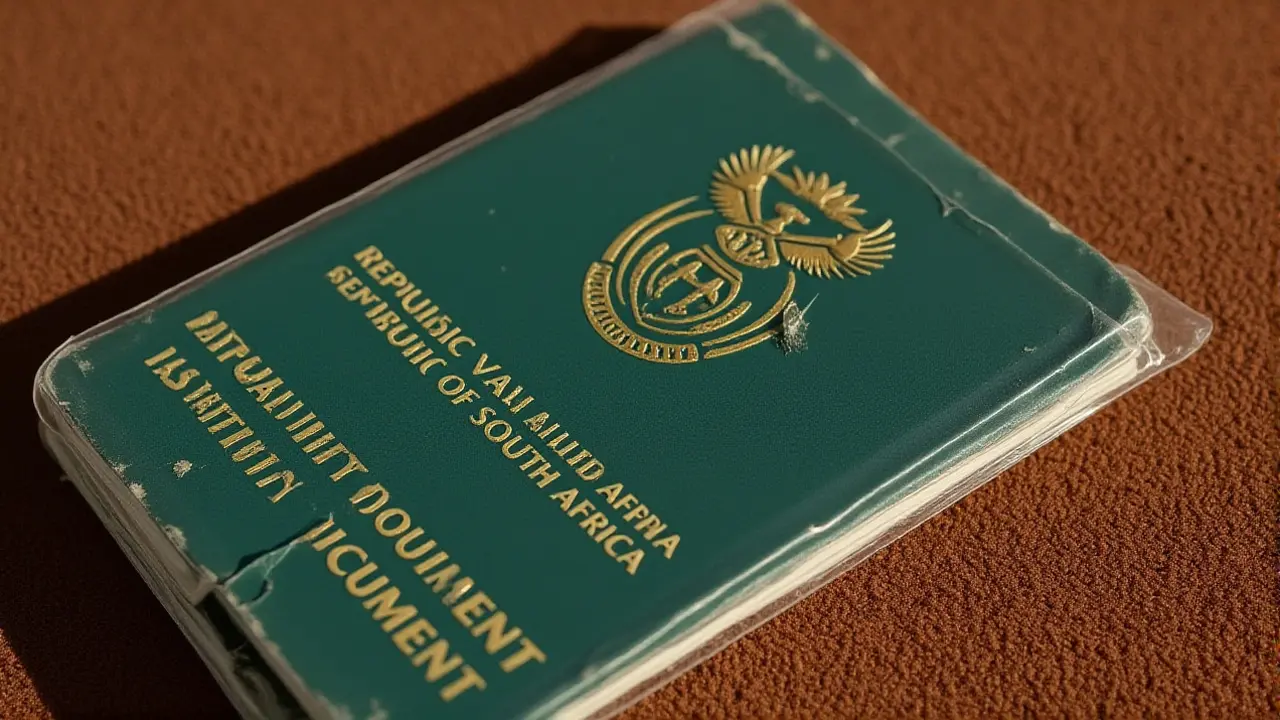
There’s a quiet anxiety humming through South African households, particularly among families caring for bedridden or frail elderly relatives. The question isn’t just about technology—it’s about dignity and access. As the Department of Home Affairs accelerates its rollout of the new smart identity card, many are asking: what happens to those who can’t leave their homes when the old green books finally disappear?
Here’s the thing: as of late 2024, there is no official, hard deadline forcing everyone to swap their documents overnight. But the pressure is mounting. The government has been pushing the transition for years, citing security and efficiency. Yet, for the estimated millions of older citizens in South Africa, especially those in rural areas or with mobility issues, the process feels less like an upgrade and more like a barrier.
The Myth of the Imminent Deadline
Rumors have circulated for months—sometimes weeks—that the green barcoded identity book would become invalid by specific dates. These whispers often trigger panic buying or long queues at home affairs offices. But officials have repeatedly debunked these claims. In multiple public statements throughout 2023 and 2024, the department clarified that the green book remains legally valid alongside the new plastic smart card.
So why the confusion? It’s partly due to the sheer scale of the operation. With over 50 million citizens needing identification, the rollout is staggered. Some provinces get priority; others wait. This inconsistency fuels speculation. For a family in a remote village in Limpopo or KwaZulu-Natal, hearing that "everyone else" is getting cards while they’re still waiting creates a sense of exclusion.
The twist is that while there’s no forced cut-off, the practical reality is shifting. Banks, telecom providers, and even some social grant verification processes are increasingly optimized for the digital data on the smart card. The green book works, but it’s becoming the "old way"—slower, sometimes met with skepticism by frontline staff who are trained on the new system.
Who Gets Left Behind?
Let’s talk about the people most at risk: the bedridden, the very elderly, and those without reliable transport. Currently, the Department of Home Affairs operates mobile units to reach underserved communities. They visit schools, community halls, and occasionally old-age homes. But here’s the gap: there is no comprehensive, publicly detailed national protocol specifically for home-bound individuals who cannot travel to any collection point.
We don’t have exact numbers on how many green book holders are bedridden. That data isn’t broken down in public reports. What we do know is that access to identity documents is tied to everything from opening bank accounts to receiving grants from the South African Social Security Agency (SASSA). If the green book eventually becomes obsolete without adequate outreach, these vulnerable groups could find themselves effectively invisible to the state.
It’s not just inconvenience. It’s survival. Without a valid ID, accessing healthcare, voting, or even proving residency becomes a nightmare. For a 78-year-old living alone in a township, this isn’t abstract policy—it’s daily stress.
The Government’s Stance vs. Reality
Officials argue that the smart card is more secure, harder to forge, and faster to process. They point to the success of mobile clinics in reducing backlogs. And technically, they’re right. The biometric chip allows for instant verification, which helps curb fraud in social grants—a major concern for taxpayers.
But critics, including human rights advocates and gerontologists, warn that efficiency shouldn’t come at the cost of inclusion. "Technology must serve people, not the other way around," says one unnamed social worker based in Cape Town, who deals with elderly clients regularly. "If you require a digital footprint for basic rights, you need a plan for those who never touched a computer."
The department has acknowledged challenges. In past interviews, spokespersons have mentioned efforts to expand mobile services. However, budget constraints and logistical hurdles mean these services are sporadic. There’s no guaranteed appointment system for home visits, leaving families to rely on luck or community connections.
What Happens Next?
Without a fixed phase-out date, the situation remains in limbo. But trends suggest the green book’s days are numbered. As more services go digital, the incentive to switch grows. The real test will be whether the government proactively reaches out to the most vulnerable before the green book loses its utility entirely.
Families should keep their green books safe for now—they’re still valid. But it’s wise to explore options for obtaining a smart card if possible. Community organizations may offer assistance, and keeping an eye on local announcements from home affairs offices is crucial. The goal isn’t just compliance; it’s ensuring that every citizen, regardless of mobility, retains full access to their rights.
Frequently Asked Questions
Is the green barcoded ID book still valid in 2024?
Yes, the green barcoded identity document remains legally valid for all official purposes, including banking, voting, and accessing social grants. The Department of Home Affairs has explicitly stated that there is no imminent deadline forcing citizens to exchange them for the smart ID card. Both documents are accepted simultaneously during this transition period.
Will bedridden elderly people lose access to services if they don't get a smart ID?
Currently, no. As long as the green book is valid, services remain accessible. However, if the green book is eventually phased out without specific provisions for home-bound individuals, there is a risk of exclusion. The government has mobile units, but they are not always available for individual home visits. Families should monitor official announcements closely.
How can I apply for a smart ID card if I cannot travel?
The Department of Home Affairs offers mobile services in some areas, but these are not guaranteed for private residences. You can contact your local home affairs office to inquire about upcoming mobile clinic schedules in your community. Additionally, some NGOs and community organizations assist with documentation processes. It is advisable to check with local municipal offices for specific support programs.
When will the green ID books officially stop being used?
There is currently no official date set for the complete discontinuation of the green barcoded ID book. The government has moved away from setting hard deadlines to avoid chaos and ensure a smoother transition. The phase-out is expected to happen gradually as the majority of the population adopts the smart card, but this could take several more years.